
Landscape Fabric Manufacturing Plant Project Report 2026: Industry Trends, Plant Setup, Machinery, Raw Materials, Investment Opportunities, Cost and Revenue
Report Overview:
IMARC Group’s report, titled “Landscape Fabric Manufacturing Plant Project Report 2026: Industry Trends, Plant Setup, Machinery, Raw Materials, Investment Opportunities, Cost and Revenue” provides a complete roadmap for setting up a landscape fabric manufacturing plant. It covers a comprehensive market overview to micro-level information such as unit operations involved, raw material requirements, utility requirements, infrastructure requirements, machinery and technology requirements, manpower requirements, packaging requirements, transportation requirements, etc. The landscape fabric project report provides detailed insights into project economics, including c🌳apital investments, project funding, operating expenses, income and expenditure projections, fixed costs vs. variable costs, dir🌜ect and indirect costs, expected ROI and net present value (NPV), profit and loss account, financial analysis, etc.

Landscape Fabric Market Analysis:
One of the most prominent drivers of the landscape fabric industry is the growing need for low-maintenance garden solutions. With urbanization still on the rise and more homeowners embracing visually appealing but functional landscapes, demand for easy-care outdoor spaces has skyrocketed. Landscape fabrics make it easy by efficiently keeping weeds at bay, reducing weeding frequency, and saving time on garden maintenance. These materials also conserve moisture, moderate soil temperature, and enhance soil structure, all promoting healthier plants with little effort. With the increased popularity of gardening as a recreational and aesthetic activity, there is a strong movement towards easy solutions such as landscape fabrics. The trend is particularly rampant in urban gardeners and older gardeners, who opt for low-maintenance solutions that conserve time and energy. The increasing awareness of environmental sustainability is among the key drivers of the landscape fabric market. It has been estimated that climate-related disasters can hit 560 by 2030, a 40% increase compared to 2015, and will need up to $340 billion annually from 2030 to mitigate against such issues as per the recent research in 2025. As more people and companies become committed to environmentally safe and sustainable gardening practices, there has been an increasing demand for materials that make the green thumb more environmentally friendly. Landscape fabrics, especially biodegradable ones that consist of natural fibers, fit into this wave of green consciousness by providing a green alternative to chemical herbicides and plastic mulches. These materials assist in lessening soil erosion, enhancing water retention, and encouraging healthier plant growth, all while minimizing the use of harmful chemicals. Furthermore, as consumers become more aware of the environmental impact of their actions, they are looking for products that aid in responsible and organic gardening. Governments and environmental organizations are also encouraging sustainable methods, further boosting the application of landscape fabrics.Landscape Fabric Market Trends:
Rising Demand for Eco-Friendly and Biodegradable Landscape Fabrics
A key trend in the landscape fabric market is the growing demand for eco-friendly and biodegradable options. As consumers and businesses increasingly prioritize sustainability, there is a significant shift away from traditional synthetic fabrics made from polypropylene or polyester towards materials that offer environmental benefits. Manufacturers are developing landscape fabrics made from natural fibers, such as jute, hemp, or coconut coir, which decompose over time and reduce the long-term environmental impact. These biodegradable options not only support eco-conscious gardening practices but also contribute to reducing plastic waste. Additionally, the increasing awareness of the importance of soil health and organic farming methods has spurred interest in natural, biodegradable fabrics that help maintain soil structure and support sustainable gardening. This trend is further reinforced by regulatory pressure on reducing plastic use and growing consumer preference for environmentally friendly landscaping products.Technological Advancements in Durability and Functionality
Another important trend in the landscape fabric industry is the ongoing technology developments to enhance durability and performance. Conventional landscape fabrics tend to deteriorate rapidly or are not effective at weed control over time, thus generating increasing demand for fabrics with increased longevity and performance. Manufacturers are introducing new technologies like UV-resistant finishes, antimicrobial treatments, and multi-layered materials to enhance the durability of landscape fabrics so that they can withstand extreme weather conditions and have a longer lifespan. Certain fabrics are now engineered with enhanced permeability, providing enhanced water and air movement to the soil while continuing to inhibit weed growth. These developments also enhance ease of installation and maintenance. As the demand for durable and high-performance landscaping solutions increases among consumers, such innovations are poised to become the norm in the market. The trend addresses the changing needs of residential and commercial landscapers looking for efficient, low-maintenance solutions for their projects.Latest Industry News:
The market is also being driven by introduction of new lines of landscape fabrics:- In March 2024, Gardien Products, a brand that delas in leading lawn and garden tools and accessories used by gardening enthusiasts to prepare, grow, protect, and beautify outdoor living areas of all sizes and stages, announced new additions and improvements to its award-winning product line. The firm will showcase its cutting-edge landscape fabric family, new line of adjustable plant stands, award-winning anti-kink watering hose, and industry-leading plant guards at the 2024 National Hardware Show in Las Vegas.
The following aspects have been covered in the landscape fabric manufacturing plant report:
- Market Analysis:
- Market Trends
- Market Breakup by Segment
- Market Breakup by Region
- Price Analysis
- Impact of COVID-19
- Market Forecast
- Detailed Process Flow:
- Product Overview
- Unit Operations Involved
- Mass Balance and Raw Material Requirements
- Quality Assurance Criteria
- Technical Tests
The report also provides detailed information related to the landscape fabric manufacturing process flow and various unit operations involved in a 🐠manufacturing plant. Furthermore, information related to mass balance and raw material requirements has also been provided in the report with a list of necessary quality assurance criteria and technical tests.
- Project Details, Requirements and Costs Involved:
- Land, Location and Site Development
- Plant Layout
- Machinery Requirements and Costs
- Raw Material Requirements and Costs
- Packaging Requirements and Costs
- Transportation Requirements and Costs
- Utility Requirements and Costs
- Human Resource Requirements and Costs
The report provides a detailed location analysis covering insights into the land location, selection criteria, location significance, environmental impact, expenditure, and other landscape fabric manufacturing plant costs. Additionally, the report provides information related to plant layout and factors influencing the same. Furthermore, other requirements and expenditures related to machine༒ry, raw materials, packaging, transportation, utilities, and human resources have also been covered in the report.
Capital Expenditure (CapEx) and Operational Expenditure (OpEx) Analysis:
.webp)
- Project Economics:
- Capital Investments
- Operating Costs
- Expenditure Projections
- Revenue Projections
- Taxation and Depreciation
- Profit Projections
- Financial Analysis
Profitability Analysis:
| Particulars | Unit | Year 1 | Year 2 | Year 3 | Year 4 | Year 5 |
|---|---|---|---|---|---|---|
| Total Income | US$ | XX | XX | XX | XX | XX |
| Total Expenditure | US$ | XX | XX | XX | XX | XX |
| Gross Profit | US$ | XX | XX | XX | XX | XX |
| Gross Margin | % | XX | XX | XX | XX | XX |
| Net Profit | US$ | XX | XX | XX | XX | XX |
| Net Margin | % | XX | XX | XX | XX | XX |
Report Coverage:
| Report Features | Details |
|---|---|
| Product Name | Landscape Fabric |
| Report Coverage | Detailed Process Flow: Unit Operations Involved, Quality Assurance Criteria, Technical Tests, Mass Balance, and Raw Material Requirements Land, Location and Site Development: Selection Criteria and Significance, Location Analysis, Project Planning and Phasing of Development, Environmental Impact, Land Requirement and Costs Plant Layout: Importance and Essentials, Layout, Factors Influencing Layout Plant Machinery: Machinery Requirements, Machinery Costs, Machinery Suppliers (Provided on Request) Raw Materials: Raw Material Requirements, Raw Material Details and Procurement, Raw Material Costs, Raw Material Suppliers (Provided on Request) Packaging: Packaging Requirements, Packaging Material Details and Procurement, Packaging Costs, Packaging Material Suppliers (Provided on Request) Other Requirements and Costs: Transportation Requirements and Costs, Utility Requirements and Costs, Energy Requirements and Costs, Water Requirements and Costs, Human Resource Requirements and Costs Project Economics: Capital Costs, Techno-Economic Parameters, Income Projections, Expenditure Projections, Product Pricing and Margins, Taxation, Depreciation Financial Analysis: Liquidity Analysis, Profitability Analysis, Payback Period, Net Present Value, Internal Rate of Return, Profit and Loss Account, Uncertainty Analysis, Sensitivity Analysis, Economic Analysis Other Analysis Covered in The Report: Market Trends and Analysis, Market Segmentation, Market Breakup by Region, Price Trends, Competitive Landscape, Regulatory Landscape, Strategic Recommendations, Case Study of a Successful Venture |
| Currency | US$ (Data can also be provided in the local currency) |
| Customization Scope | The report can also be customized based on the requirement of the customer |
| Post-Sale Analyst Support | 10-12 Weeks |
| Delivery Format | PDF and Excel through email (We can also provide the editable version of the report in PPT/Word format on special request) |
Key Questions Answered in This Report:
- How has the landscape fabric market performed so far and how will it perform in the coming years?
- What is the market segmentation of the global landscape fabric market?
- What is the regional breakup of the global landscape fabric market?
- What are the price trends of various feedstocks in the landscape fabric industry?
- What is the structure of the landscape fabric industry and who are the key players?
- What are the various unit operations involved in a landscape fabric manufacturing plant?
- What is the total size of land required for setting up a landscape fabric manufacturing plant?
- What is the layout of a landscape fabric manufacturing plant?
- What are the machinery requirements for setting up a landscape fabric manufacturing plant?
- What are the raw material requirements for setting up a landscape fabric manufacturing plant?
- What are the packaging requirements for setting up a landscape fabric manufacturing plant?
- What are the transportation requirements for setting up a landscape fabric manufacturing plant?
- What are the utility requirements for setting up a landscape fabric manufacturing plant?
- What are the human resource requirements for setting up a landscape fabric manufacturing plant?
- What are the infrastructure costs for setting up a landscape fabric manufacturing plant?
- What are the capital costs for setting up a landscape fabric manufacturing plant?
- What are the operating costs for setting up a landscape fabric manufacturing plant?
- What should be the pricing mechanism of the final product?
- What will be the income and expenditures for a landscape fabric manufacturing plant?
- What is the time required to break even?
- What are the profit projections for setting up a landscape fabric manufacturing plant?
- What are the key success and risk factors in the landscape fabric industry?
- What are the key regulatory procedures and requirements for setting up a landscape fabric manufacturing plant?
- What are the key certifications required for setting up a landscape fabric manufacturing plant?
Report Customization
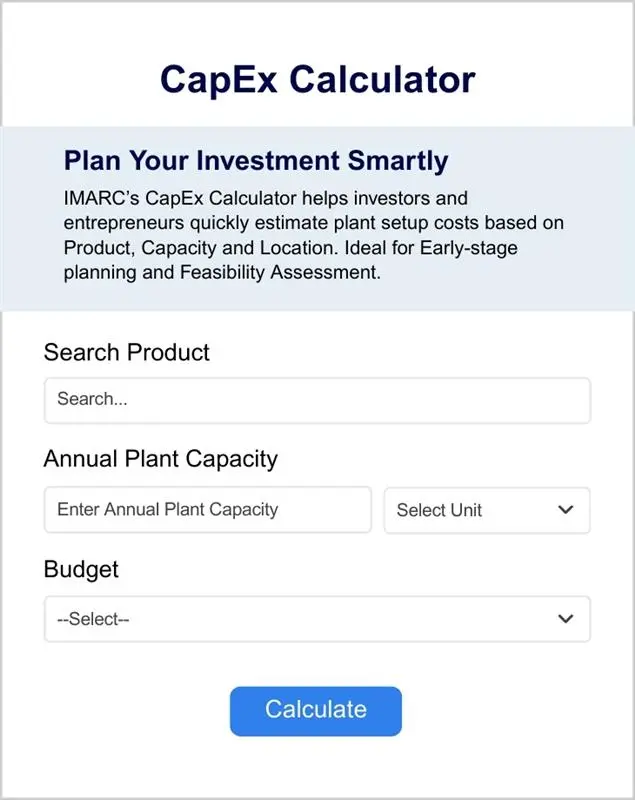
While we have aimed to create an all-encompassing landscape fabric plant project report, we acknowledge that individual stakeholders may have unique demands. Thus, we offer customized report options that cater to your specific requirements. Our consultants are available to discuss your business requirements, and we can tailor the report's scope accordingly. Some of the common customizations that we are frequently requested to make by our clients include:- The report can be customized based on the location (country/region) of your plant.
- The plant’s capacity can be customized based on your requirements.
- Plant machinery and costs can be customized based on your requirements.
- Any additions to the current scope can also be provided based on your requirements.
Why Buy IMARC Reports?
- The insights provided in our reports enable stakeholders to make informed business decisions by assessing the feasibility of a business venture.
- Our extensive network of consultants, raw material suppliers, machinery suppliers and subject matter experts spans over 100+ countries across North America, Europe, Asia Pacific, South America, Africa, and the Middle East.
- Our cost modeling team can assist you in understanding the most complex materials. With domain experts across numerous categories, we can assist you in determining how sensitive each component of the cost model is and how it can affect the final cost and prices.
- We keep a constant track of land costs, construction costs, utility costs, and labor costs across 100+ countries and update them regularly.
- Our client base consists of over 3000 organizations, including prominent corporations, governments, and institutions, who rely on us as their trusted business partners. Our clientele varies from small and start-up businesses to Fortune 500 companies.
- Our strong in-house team of engineers, statisticians, modeling experts, chartered accountants, architects, etc. has played a crucial role in constructing, expanding, and optimizing sustainable manufacturing plants worldwide.
Need more help?
- Speak to our experienced analysts for insights on the current market scenarios.
- Include additional segments and countries to customize the report as per your requirement.
- Gain an unparalleled competitive advantage in your domain by understanding how to utilize the report and positively impacting your operations and revenue.
- For further assistance, please connect with our analysts.


Factory Setup Services


Site Selection Services


Factory Audit Services


 Inquire Before Buying
 Speak to an Analyst
 Request Brochure
 Request Customization